My experience of university as an autistic student
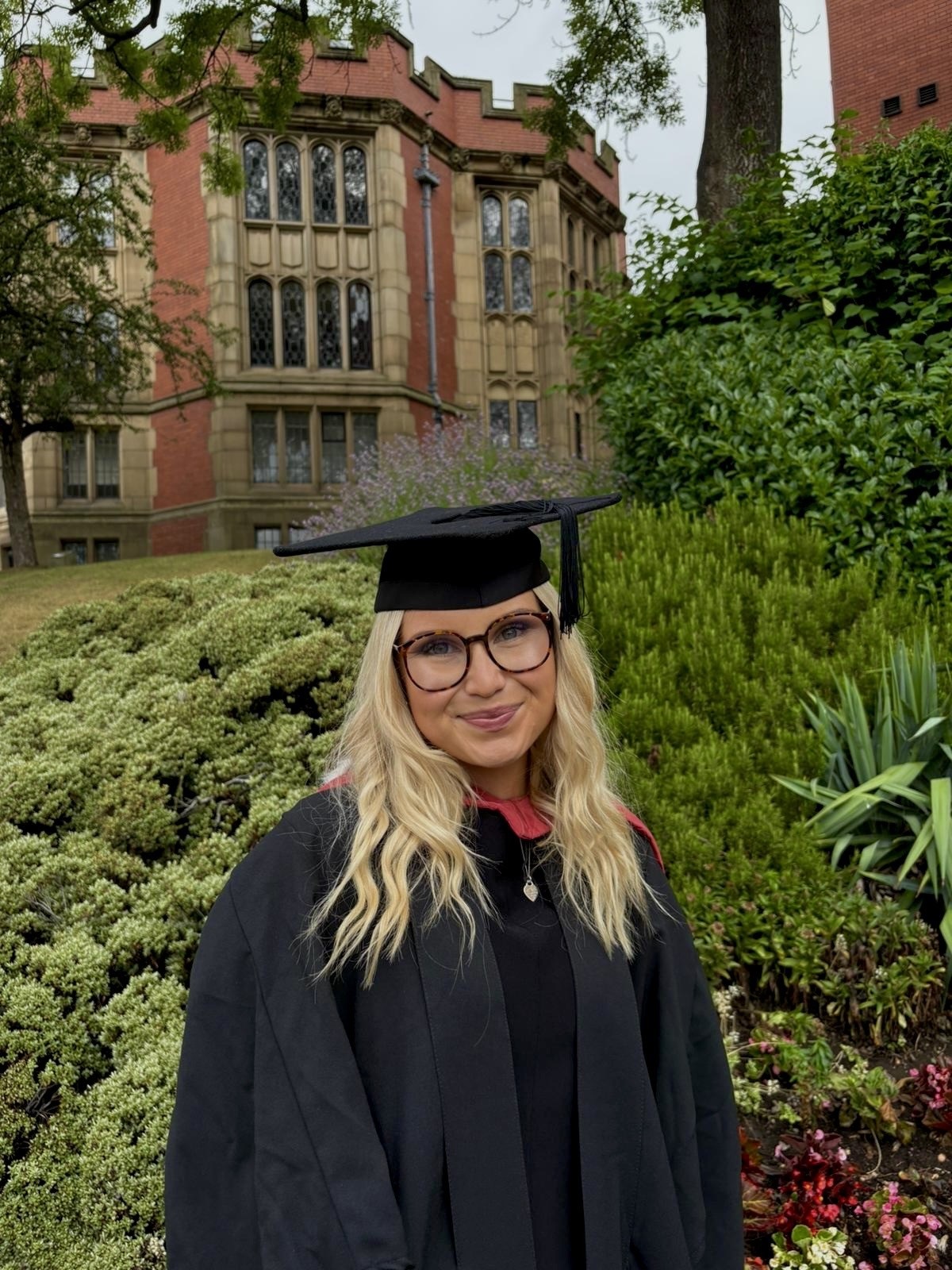
I always knew that I wanted to go to university and imagined my university years to some of best of my life. Consequently, attending university was never something I questioned. However, after spending several years in hospital undergoing treatment for anorexia, and as an autistic individual, many of my doctors doubted that I would be able to manage university life and tried to persuade me to not go.
Despite this, I still stuck by my decision to go to university. I moved away from home in Warwickshire to a new city to study Philosophy, Religion and Ethics at the University of Sheffield, where I graduated last summer with a First-Class Honours degree.
Before leaving home and starting university, I wish I had known that feelings of overwhelm and loneliness are common for most students, particularly for those who are autistic. I loved my experience at university, but there were also times when I found it extremely challenging.
University life often involved a stark contrast between days filled with joy- spending time with friends, clubbing or having movie nights- and the intense loneliness of days spent by myself, without having interacted with anyone else. This loneliness felt strange, I was surrounded by hundreds of other students; I could hear their voices, laughter and music, yet still felt deeply alone.
These feelings were especially strong on Sundays, when there was very little planned or things on. Often, the following day, I would attend a lecture or spend the afternoon with friends and forget about the loneliness and wallowing I had experienced the day before.
Because of this, I found it important to make sure that I left my room each day and got outside for a walk- even if it was just to buy a bottle of Fanta from the shop. I also found joining societies helpful, as it kept me busy and surrounded by others. At the same time, I learned the importance of scheduling time to recharge my social battery, such as keeping several evenings a week free of plans- especially the days on which I’d had lots of lectures/seminars.
My biggest tip for autistic students entering higher education is to let the people around you know that you are autistic, if you feel comfortable doing so. Making my autism known to my housemates, tutors and disability advisors made university life so much easier. You can get the support that you need at university (as long as you let people know!).
Don’t try to minimise your own needs or convince yourself that you do not need as much help as you actually do. It is more than okay to need help, and needing help is not a weakness. It is completely okay to have different needs from others at university, and to advocate for yourself and to ask for help does not make you difficult. Knowing that there were trusted people around me at university- people who were ‘safe’ and understood me, whom I could turn to when feeling overwhelmed, anxious, or simply in need of a conversation- provided me immense comfort and reassurance.
So, although I experienced frequent low moments throughout my time at university, I also experienced many frequent highs that I am so grateful to have experienced.
Ultimately, reaching out for help, advocating for yourself, and expressing your needs is so important. Being autistic is like being left-handed; there is nothing wrong with it, but unfortunately, the world is not set out to be accessible to us. The people around you only want you to succeed and thrive- trust me, and seeking support allows them to help you do that.
My top tips for autistic students at university:
- Join Societies or clubs that interest you – it’s a great way to meet people who enjoy the same thing as you and even try something new.
- Schedule time to recharge every few days – university life can be busy, so make sure you give yourself time to rest and reset.
- Apply for and make use of DSA (disability support allowance) – it is super useful and beneficial.
- Use university resources, like tutors and disability advisors – they are there to help you succeed.
- Advocate for yourself and ask for support when you need it – reaching out is a strength, not a weakness.
- Don’t worry about making friends straight away – trust me you will find your people and those with the same interests as you.
- Don’t feel pressured to do anything because it seems like the ‘right’ or the ‘normal’ thing to do – for example if you don’t want to drink or go out, that’s completely okay. It’s always ok to say no.
- Make sure to not isolate yourself too much in your room – even small things like going to study in a café or library or going for a short walk can help.
- Don’t buy everything brand new – bring items from home that you are familiar with and used to using (this may also help you feel less home sick).